Translate

Wednesday, March 16, 2016

Does Buying a Fixer Upper Pay Off? / Es rentable comprar una propiedad que necesite arreglos?

Realistically, the vast majority of fixer-uppers are in complete disrepair, meaning that it will cost you more to “fix it up” than to purchase a home in move-in condition. However, if you are serious about buying a sound fixer-upper, let me give you a few tips on finding one.

  • Look in neighborhoods with resale potential. Here applies "The ugliest house in the best neighborhood"
  • Try to find a home that has been listed for sale for several months. Chances are the you can negotiate for a better price
  • Always estimate your fix up costs before buying. You need to know your absolute maximum before submitting your offer.
  • Avoid homes requiring structural improvements. These tend to be expensive.
  • Avoid major additions, such as adding a family room or bedroom. They don't add too much value to the property
The industry standard rule of thumb is to buy a fixer-upper for at least 20 to 30 percent below its “After Repair Value”. It’s important to avoid both under-improving and over-improving a fixer-upper; in either situation you will not realize a good return on your investment.
If you’d like some help in finding fixer-upper property, please contact me today

********************************************************************************************************************************
Realisticamente, la gran mayoría de propiedades que necesitan arreglos y que se encuentran en el mercado están en condiciones deplorables lo que significa que te va a acostar más tratar de arreglarlas que comprar una propiedad que se encuentre en condiciones habitables. 
Si estas decidido a invertir en una propiedad que precise arreglos, déjame darte algunos consejos:
  • Busca en vecindarios con potencial de reventa. La casa más fea en el mejor barrio
  • Busca por propiedades que han estado listadas por varios meses. Hay mayor posibilidad de negociar el precio
  • Calcula tus costos de renovación antes de comprar. Inclusive antes de presentar tu oferta
  • Evita propiedades que precisen mejoras estructurales. Reparaciones de este tipo son bastante costosas.
  • Evita adiciones mayores tales como salas de estar o dormitorios ya que no ayudan al valor de reventa

La regla de oro de la industria es comprar una propiedad por al menos 20% o 30% de su valor después de reparada. 
Es importante evitar realizar mejoras que estén por arriba o por debajo de propiedades similares en el area. 
Si precisas ayuda en buscar propiedades de este tipo, no dudes en contactarme

Friday, October 9, 2015

Tip for a Weed Free Yard - Use Landscape Fabric Staples to Anchor the Seams

From the FamilyHandyman.com

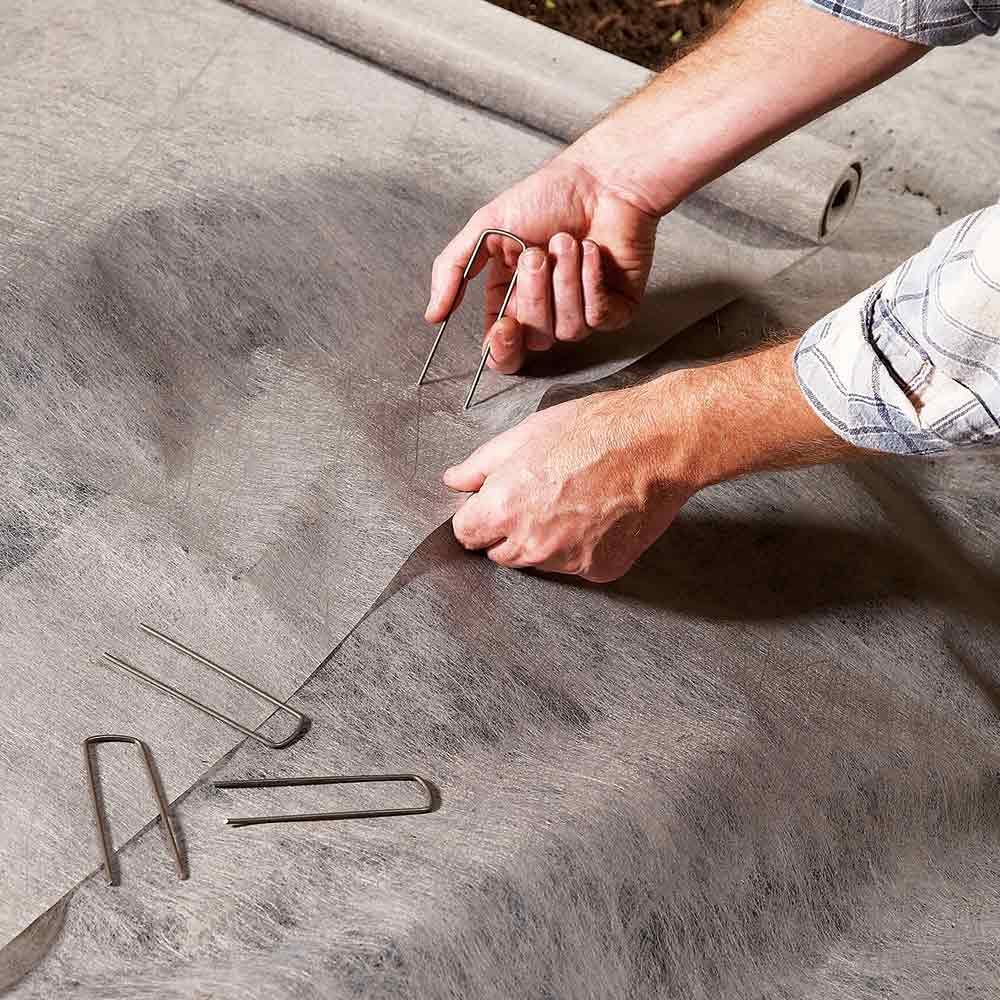
Use Landscape Fabric Staples to Anchor the SeamsThe seams in landscape fabric in planting beds often open between sections. To solve the problem, use landscape fabric staples. You'll find them right next to the fabric in stores. Make sure the edges of the fabric overlap by at least 3 in. And don't skimp on the staples; place them about 16 in. apart. Also use staples to anchor landscape fabric around the perimeter. In hard soil, start the staples by hand and then push them in with your foot.

Friday, October 2, 2015

Tip for a Weed Free Yard - What's the Best Weed Barrier?

From the FamilyHandyman.com

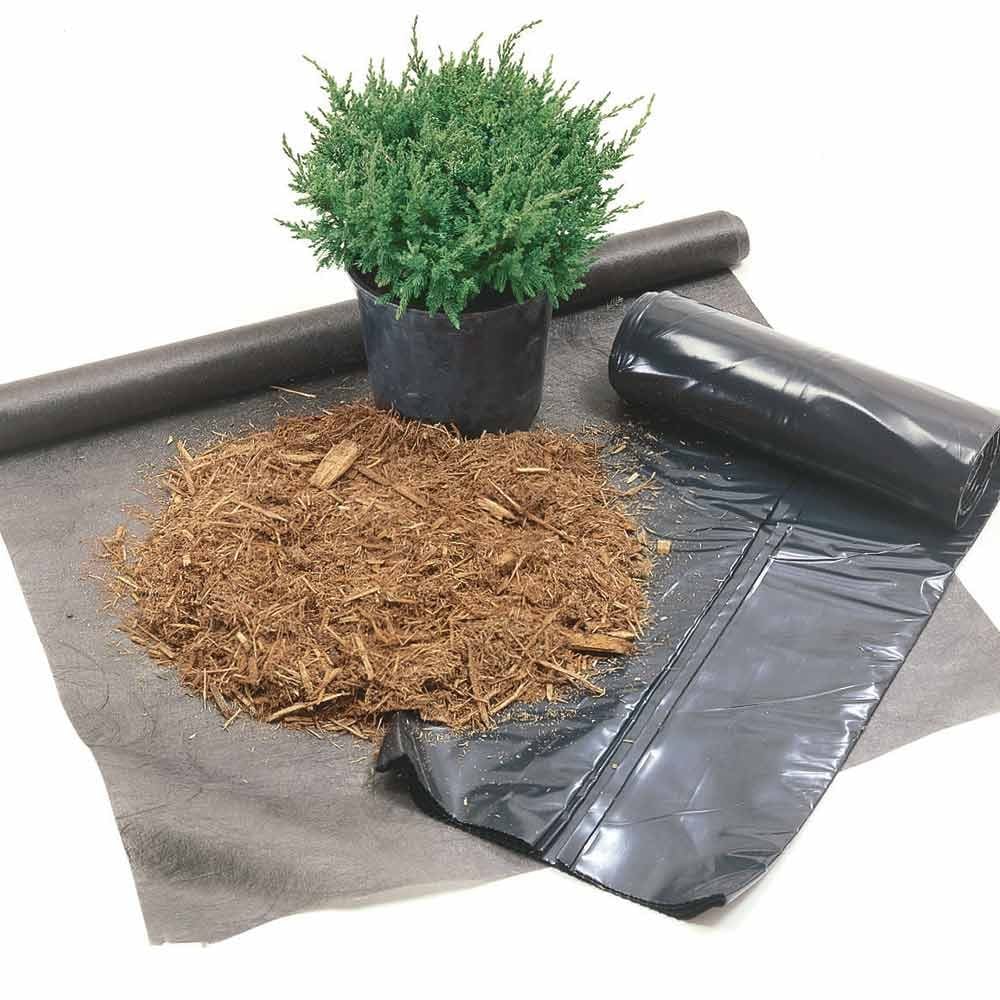
What's the Best Weed Barrier?You have two good choices for the best weed barrier—organic mulch or high-quality landscape fabric. (Don't use black plastic. It doesn't allow rain to reach plant roots, and it traps water vapor, which facilitates the growth of mold and mildew.) An organic mulch such as shredded bark, in a layer several inches deep, will help control weeds. It will also decompose over time, which will add organic matter to the soil and make your tree happier. However, you'll have to add more organic mulch every couple of years. Landscape fabric, when protected from sunlight, decomposes more slowly than organic mulch and doesn't need to be replaced as often. However, the type of landscape fabric makes a difference. Hold the fabric up to the light and make sure the pores in the fabric are small enough to prevent weeds from growing through the barrier. Also, a good-quality landscape fabric is one you can't tear or stretch easily. It should feel stiff, not flimsy and limp.

Friday, September 25, 2015

Tip for a Weed Free Yard - Don't Fight Weeds Where Grass Won't Grow

From the FamilyHandyman.com

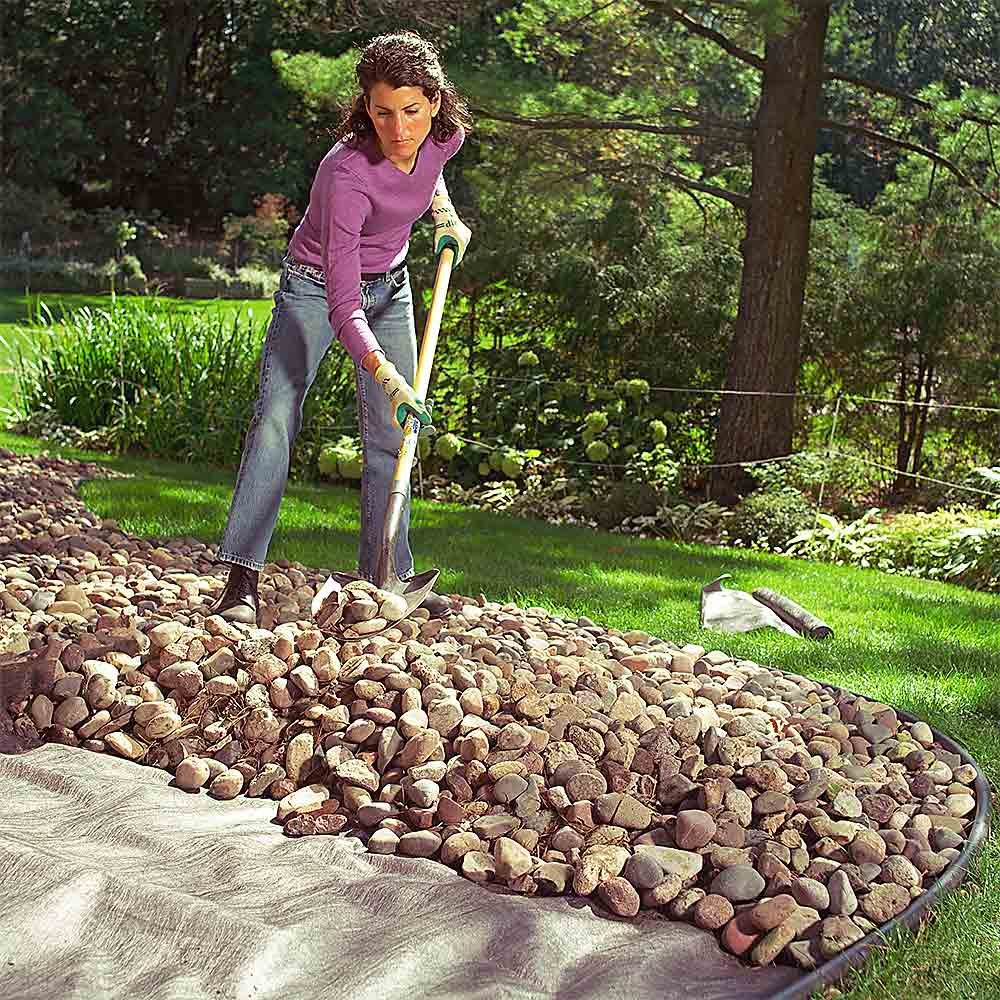
Don't Fight Weeds Where Grass Won't GrowPoor light or soil conditions can make it all but impossible to grow grass in some areas. If you've tried more than once to nurture grass in an area and failed, it might be time to throw in the towel and treat the area with a landscaping alternative. The obvious choices are stone, mulch and attractive ground cover plants that tolerate the conditions grass can't handle. Kill any weeds with a nonselective herbicide (re-treat survivors after 10 days). The herbicide will break down within two weeks and the ground will be safe for new plants.

Friday, September 18, 2015

Tip for a Weed Free Yard - Kill Perennial Grassy Weeds One By One

From the FamilyHandyman.com

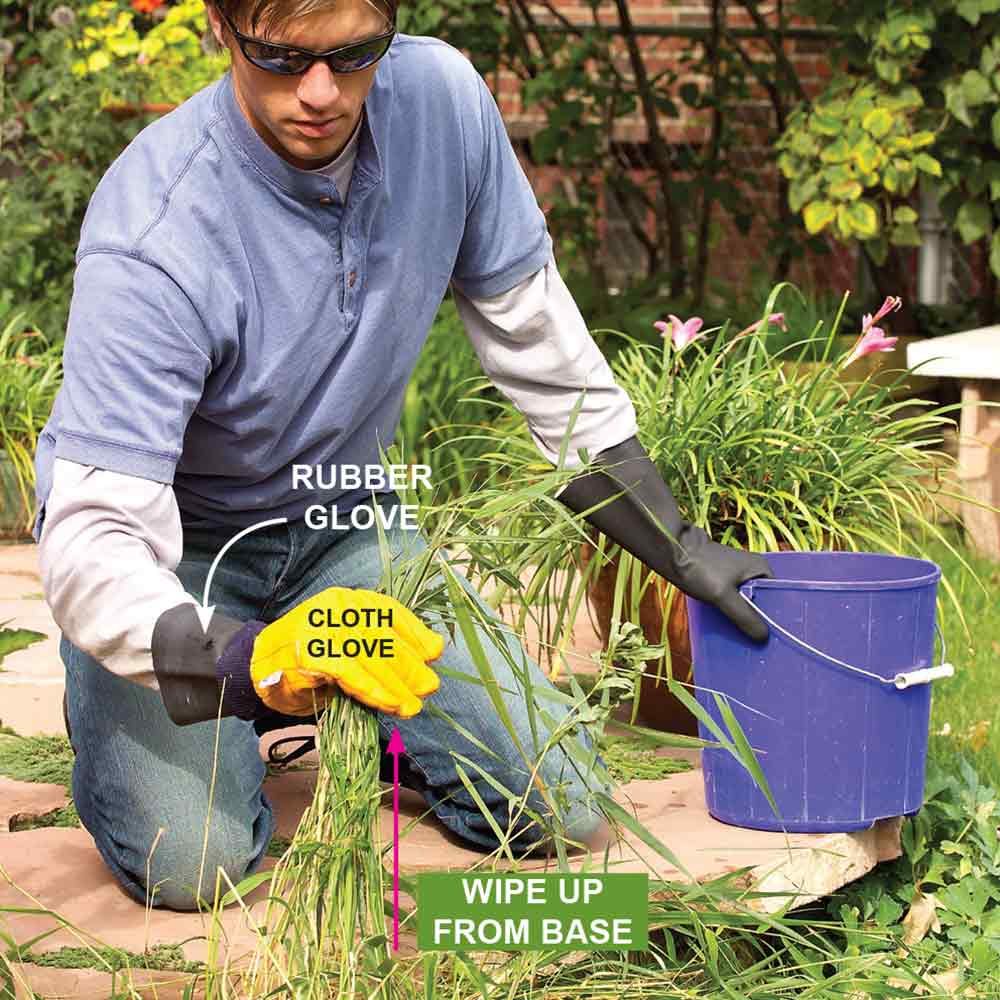
Kill Perennial Grassy Weeds One By OneQuack grass is the widest spread example of a perennial grass that comes back year after year just like your lawn. It spreads through seeds and extensive underground root systems and is unaffected by broadleaf killers. Pulling grassy weeds only gets some of the roots, and the remaining ones will quickly sprout new plants. The best way to kill these weeds while protecting surrounding plants is by wiping the grass blades with a nonselective herbicide like Super Kills-All or Roundup. Wear a cheap cloth glove over a plastic or rubber chemically resistant (they're labeled as such) glove to protect your skin. Dip your gloved hand into the herbicide and then simply grab the blades near the base and pull the herbicide over the grass blades. Don't worry about coating every single blade. The chemical will absorb into the plant, make its way down to the roots and kill the entire plant. Most will die in a few days, but survivors may need more treatments.

Friday, September 11, 2015

Tip for a Weed Free Yard - Use a Dial Sprayer When Weeds Are Out of Control

From the FamilyHandyman.com

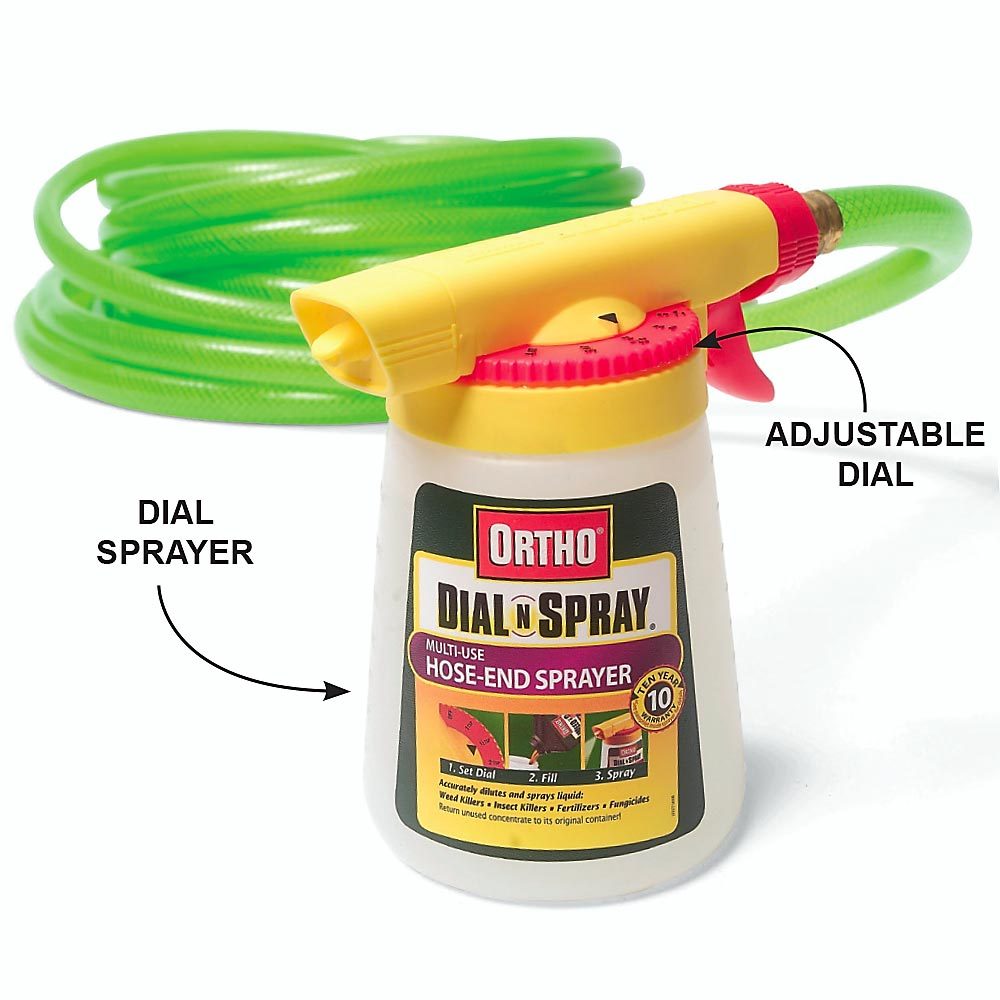
Use a Dial Sprayer When Weeds Are Out of ControlIf your whole lawn is filled with weeds, a dial sprayer attached to your garden hose is the answer. It's fast and efficient. It's just a matter of adding concentrated broadleaf killer to the pot, and setting the dial at the top to the mixture called for on the herbicide container—for example, 2-1/2 tablespoons per gallon of water. Then hook up the garden hose and apply an even treatment to the weedy areas. Clear the yard of toys, furniture and anything else that can get contaminated by overspray. And be sure to protect your flowers and bushes with plastic sheeting or cardboard. Remember that broadleaf killers will kill or harm anything with leaves—including your flower bed.

Friday, September 4, 2015

Tip for a Weed Free Yard - Treat Weed Patches With a Small Tank Sprayer

From the FamilyHandyman.com

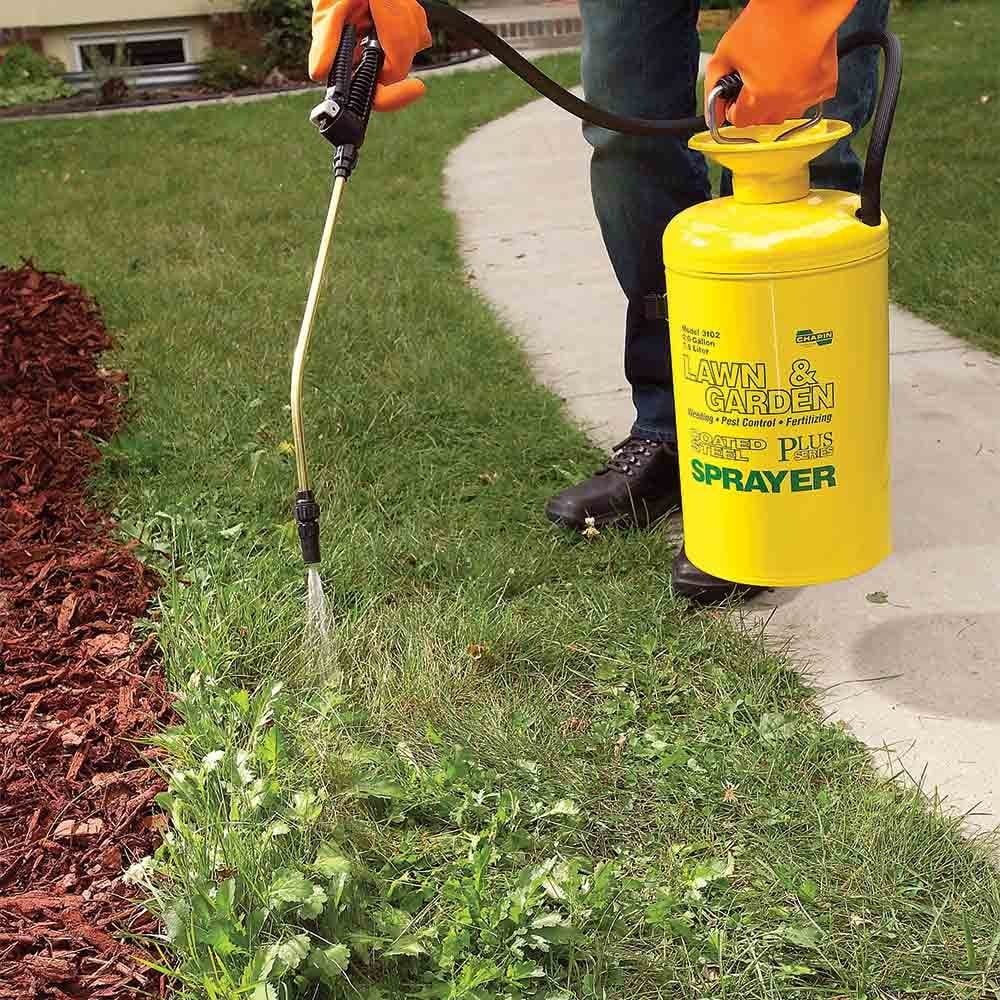
Treat Weed Patches With a Small Tank SprayerPatches or clumps of weeds are best treated with a standard 1- or 2-gallon tank sprayer. After spraying, triple-rinse the tank with water. With each rinse, pump up some pressure and flush out the wand, too.